
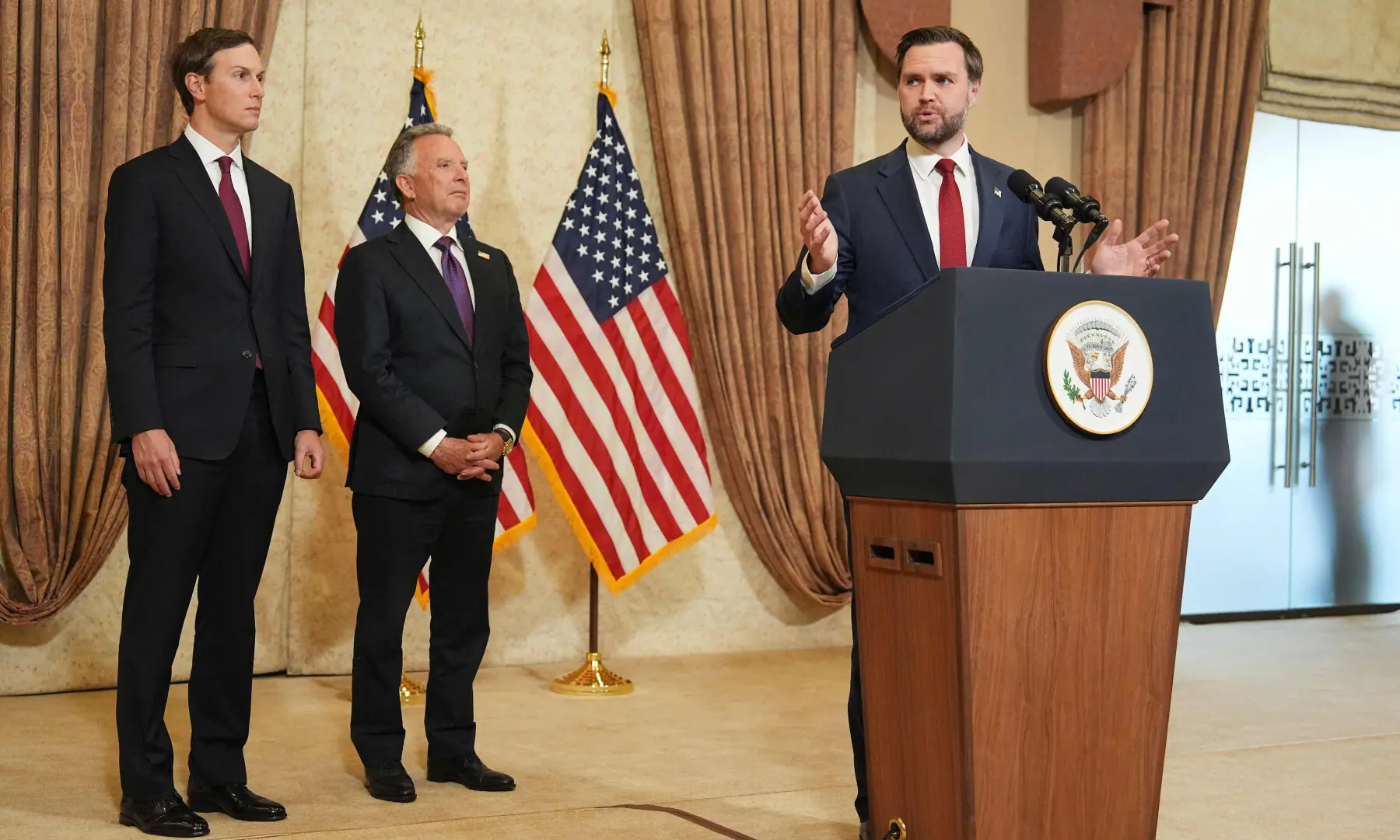
Vice President Vance arriving for a news conference after meeting with representatives from Pakistan and Iran in Islamabad on Sunday.
After more than 16 straight hours of closed-door meetings that stretched into early Sunday morning, Vice President JD Vance stepped into an ornate ballroom in Pakistan and let out a sigh. As he approached the lectern to address the press, his expression showed clear frustration.He spoke of “shortcomings,” “bad news,” and admitted they were “not able to make headway.” The United States and Iran failed to reach any agreement.Exhausted after 21 hours on the ground, Vance offered few details, took only three questions, and left. He did not clarify whether the two-week cease-fire would hold, what would happen to the Strait of Hormuz, or whether President Trump would act on his earlier threats.It marked a striking end to a high-stakes diplomatic mission. Vance, who had openly opposed a full-scale war with Iran, was seen as a key figure who might help de-escalate tensions. Global allies and adversaries had pinned their hopes on him to find a path out of a conflict that has disrupted the global economy and destabilized the region.Instead, the talks ended without progress. Vance placed the blame on Iran, stating that the U.S. had sought assurances that Iran would not pursue nuclear weapons, but Tehran refused.That Vance led these talks was notable in itself. As one of the strongest voices within Trump’s inner circle against the war, he was tasked with leading the highest-level U.S.-Iran negotiations in nearly 50 years. Meanwhile, President Trump remained in Miami, attending a UFC event alongside Secretary of State Marco Rubio.For Vance, the trip became the most high-profile assignment of his tenure, which had largely focused on domestic politics. Instead of campaigning ahead of midterms, he found himself first in Hungary supporting Prime Minister Viktor Orbán, and then in Pakistan attempting to negotiate an end to a complex war.The conflict has already had devastating consequences. The United States and Israel have conducted weeks of strikes inside Iran, targeting thousands of locations and killing over 1,700 civilians, according to human rights groups. Iran has retaliated with attacks across the region and effectively shut down the Strait of Hormuz.
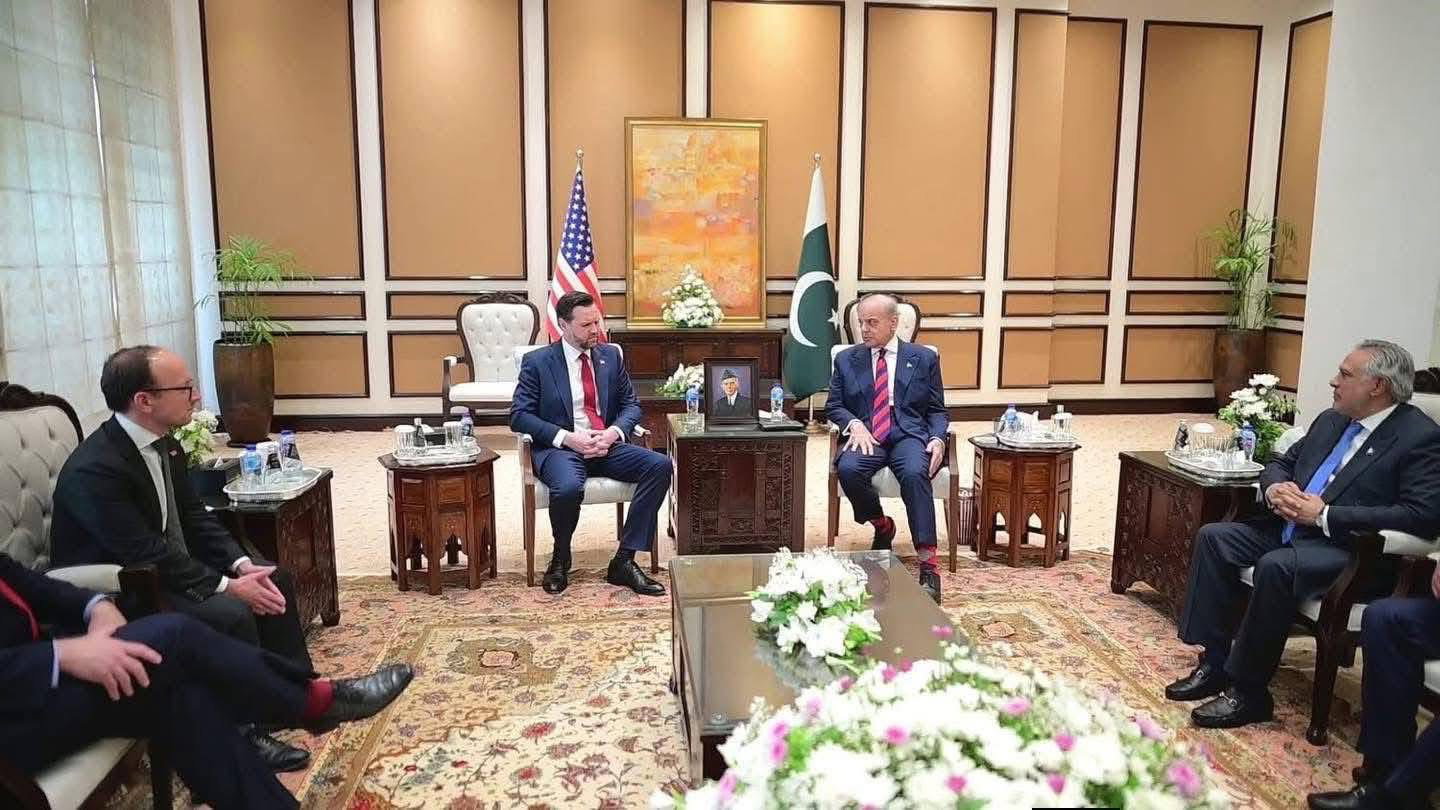
Vice President Vance meeting with Pakistan’s Prime Minister Shehbaz Sharif in Islamabad
Now, President Trump faces a critical decision: return to diplomacy or escalate further. On Sunday, he partially answered by announcing a naval blockade of the Strait of Hormuz — a move widely viewed as an act of war.
“Extend the Open Hand”
At the start of the trip, Vance struck a cautious tone, saying the U.S. would “extend the open hand” if Iran negotiated in good faith.However, uncertainty surrounded the talks from the beginning.Iranian officials threatened to avoid direct meetings unless key demands were met, including unfreezing overseas assets and expanding the cease-fire to include Lebanon. These demands highlighted how much of the conflict lies beyond U.S. control, especially with Israel continuing operations against Hezbollah.Confusion grew as both sides publicly contradicted each other. Iranian media claimed the U.S. had agreed to unfreeze assets as a goodwill gesture — a claim Washington denied.Unlike typical diplomatic visits, which are meticulously planned, Vance’s trip was organized in just a few days.
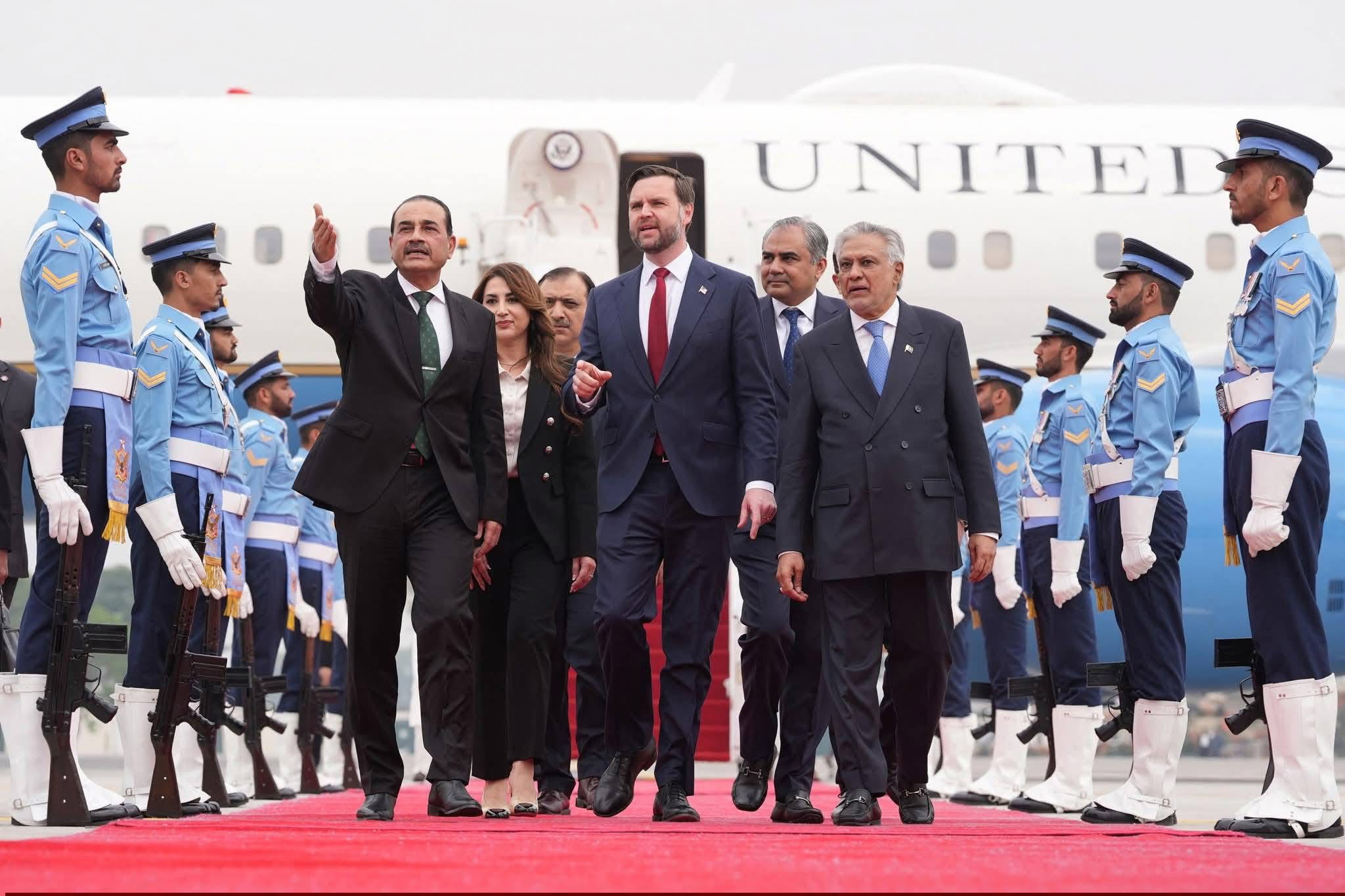
Vance with Pakistan’s Field Marshal Asim Munir and Deputy Prime Minister Ishaq Dar
In Islamabad, security was extremely tight. His arrival was kept secret until moments after landing. His movements were restricted, and no journalists were allowed inside meetings — even those involving Pakistani officials.Back in Washington, senior officials struggled to get real-time updates as negotiations dragged on.
A Skeptic From the Start
- Vance had long opposed war with Iran, warning of regional chaos, civilian casualties, and political fallout. His foreign policy stance has consistently emphasized avoiding new conflicts.Despite his personal reservations, he publicly supported President Trump and led the delegation.However, the war has exposed divisions within Trump’s political base. Influential voices like Tucker Carlson have strongly criticized the conflict, putting additional pressure on Vance, who is widely viewed as a potential 2028 presidential candidate.
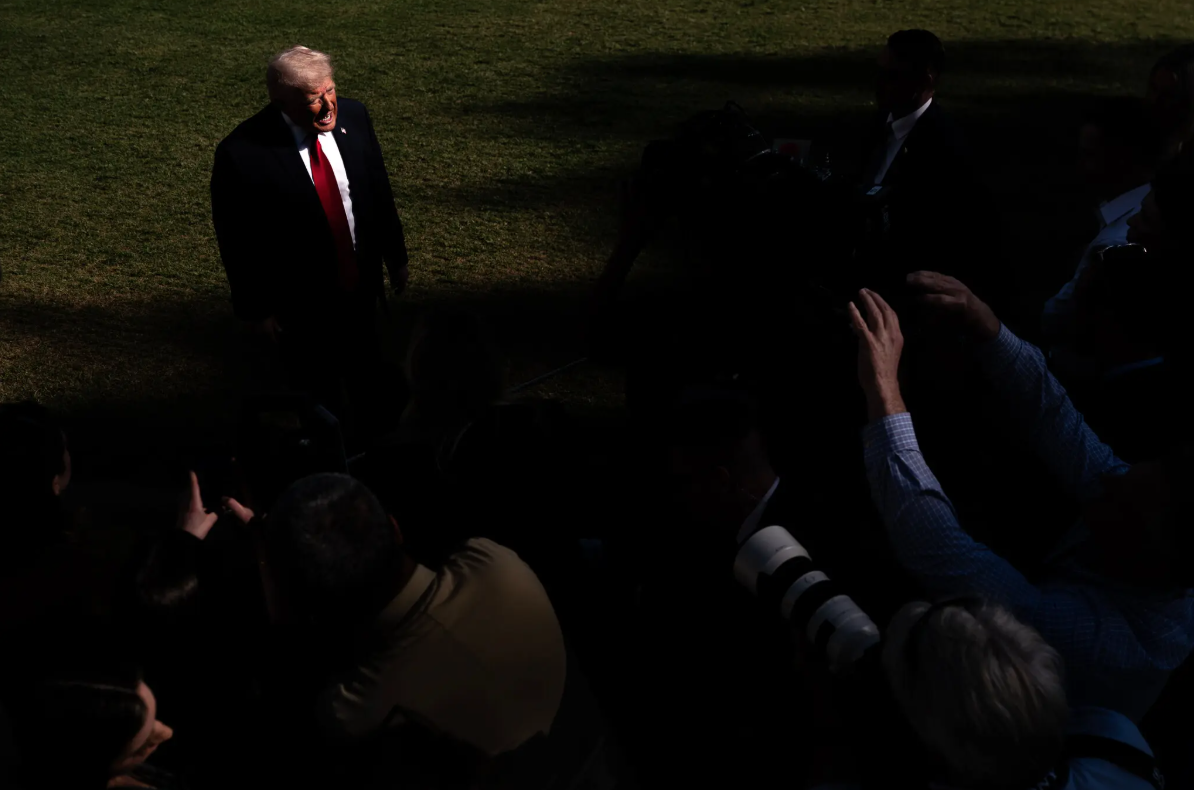
President Trump speaking to media before departing the White House.
Trump himself remained publicly confident, stating:
He repeatedly claimed Iran was in a weak position, even as tensions escalated.
Pakistan’s Role and the Uncertain Outcome
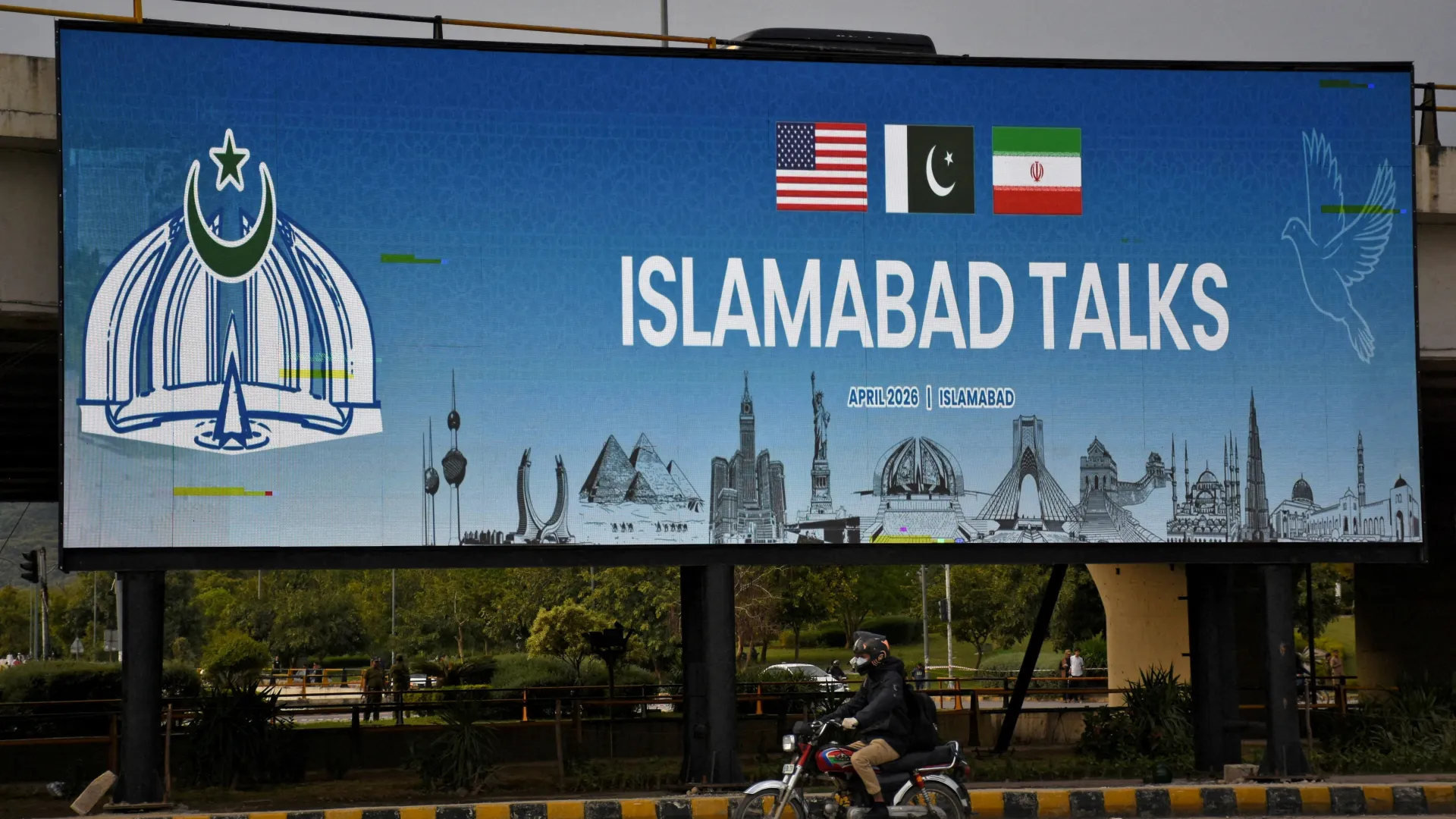
Pakistan positioned itself as a mediator, taking extraordinary steps to host the talks. Authorities cleared parts of Islamabad, increased security, and promoted the event as the “Islamabad Talks.”
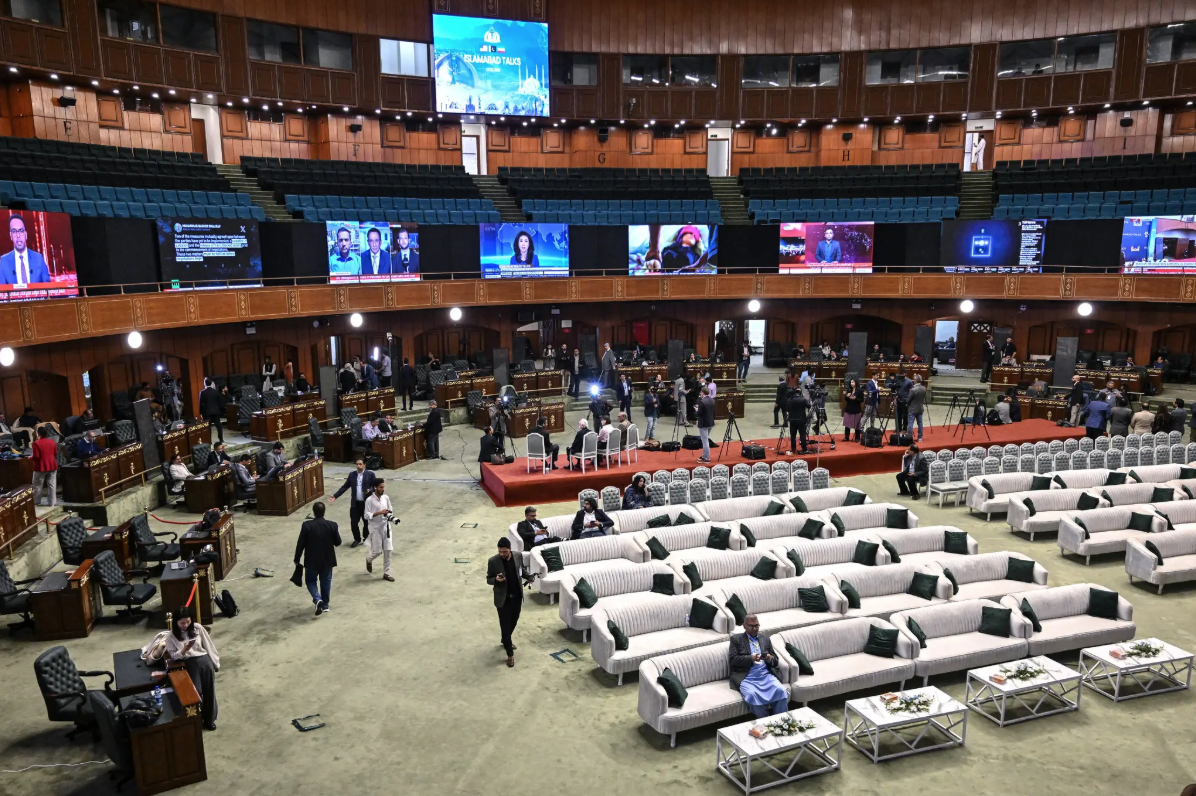
Journalists gathered at the media center in Islamabad
Yet despite the global attention, very little information emerged from behind closed doors. Journalists stationed in the city struggled to get updates, with restricted movement adding to the uncertainty.In the end, after 21 hours of intense diplomacy, the talks concluded without a breakthrough — leaving the future of the conflict uncertain.
